
Running Coach Toronto
Flex is a personalized running coaching program for Toronto runners dealing with recurring injuries, performance plateaus, or inconsistent training.
We assess the movement, workload, recovery, and scheduling factors that may be limiting your progress, then build a tailored running, strength, and recovery plan around your goals.
Your coach reviews your training, monitors your progress, and adjusts the plan as your performance, recovery, pain levels, or availability change, helping you train more consistently, prepare for races, and reduce injury risk.
One-on-One Running
Coaching in Toronto



Your Training Plan Is Built Around Your Race
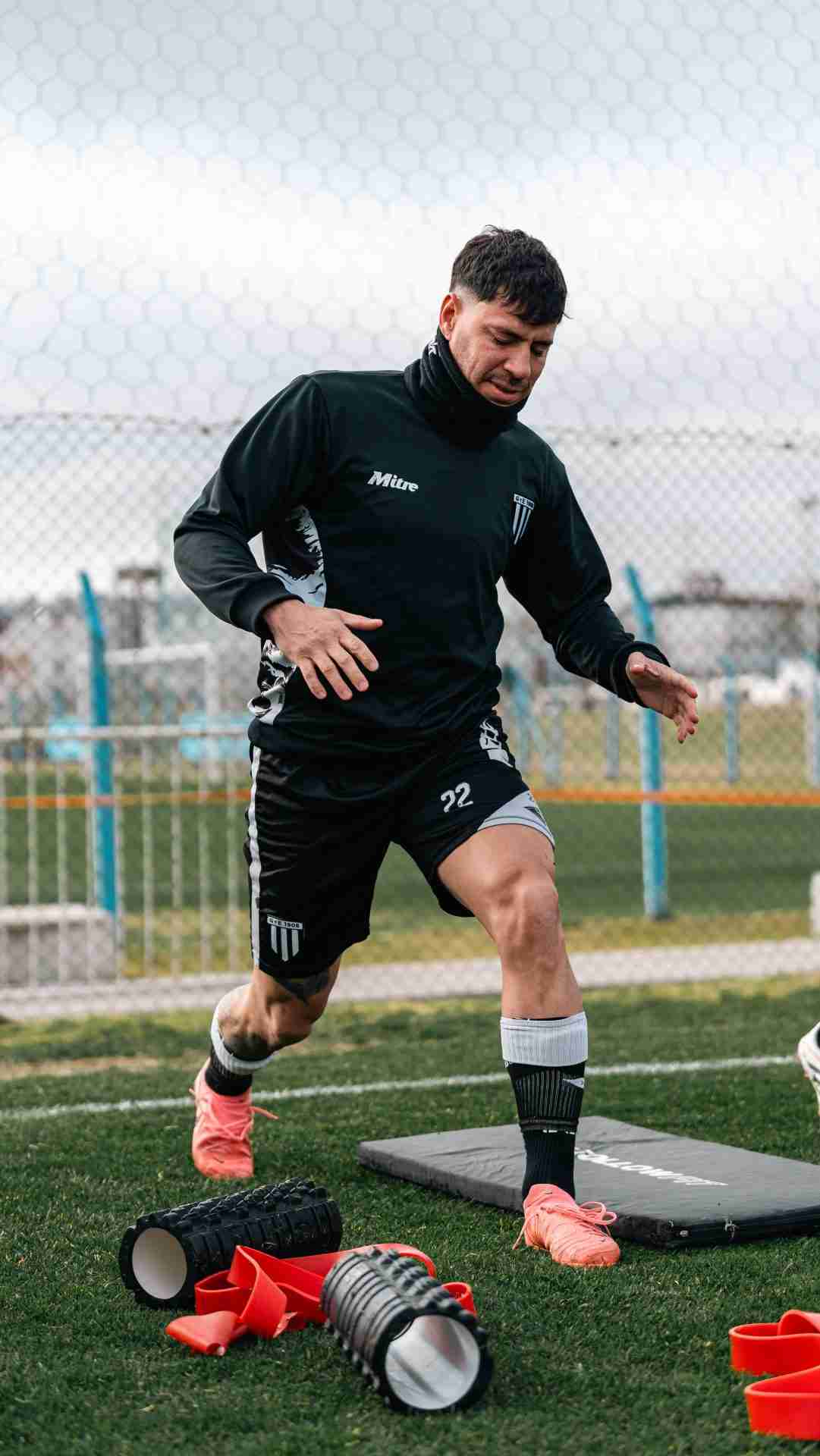
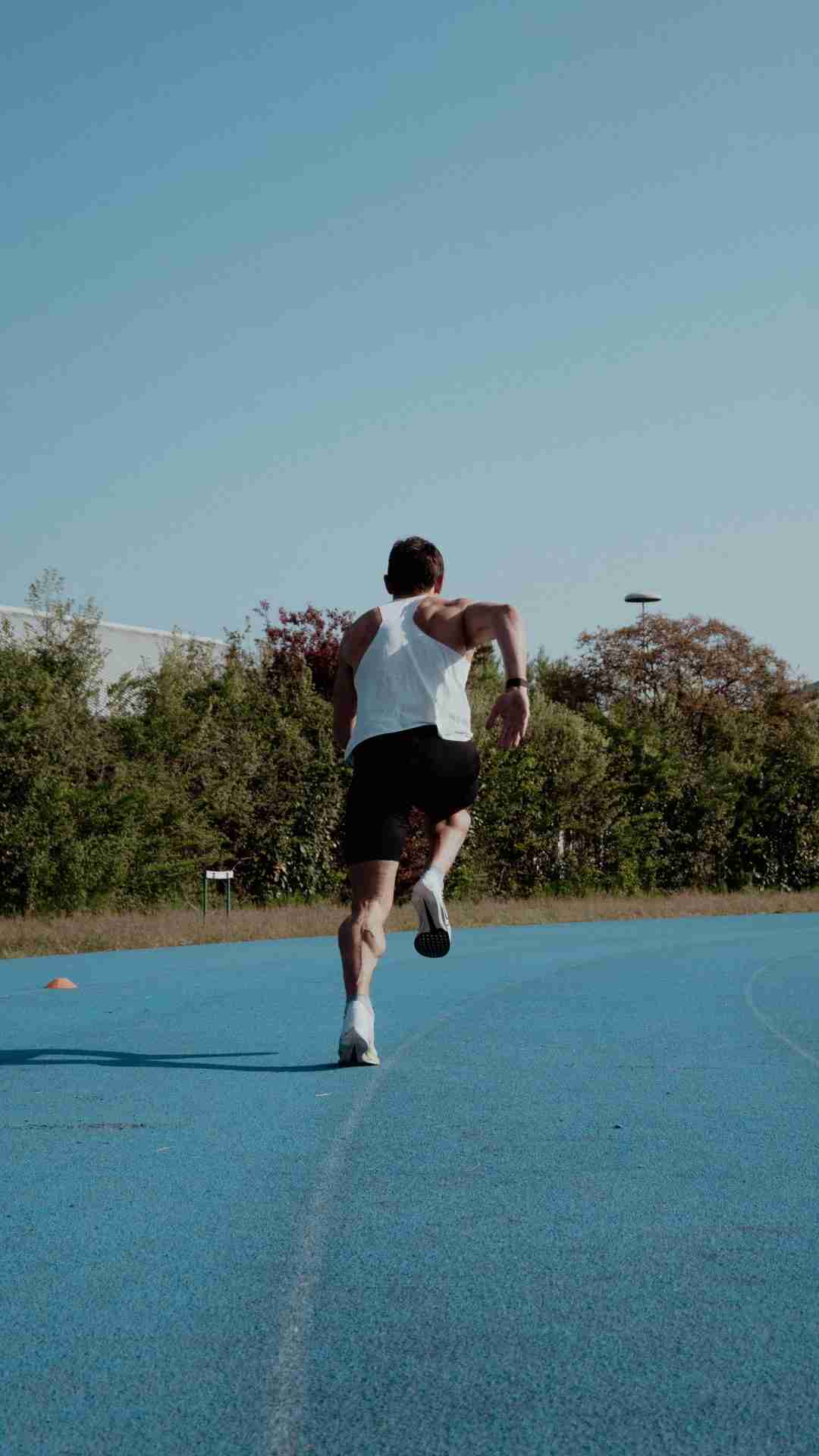
Whether you’re training for a half marathon, marathon, triathlon, or ultramarathon, your plan is built around your race date, current fitness, training history, and weekly schedule. Running volume, strength work, and recovery are programmed together so every session supports your performance and race preparation.
Strength Training Built Specifically for Runners
Your strength program targets the muscles, movement patterns, and stability demands that support running performance. Instead of using a generic gym routine, Flex integrates strength work with your mileage and recovery so each session helps improve durability, running efficiency, and injury resilience.
Weekly Check-Ins Keep Your Training on Track
Your coach reviews your training every week and adjusts the plan based on your performance, recovery, pain levels, and schedule. When a workout feels wrong, progress stalls, or discomfort appears, your training is updated before a small issue becomes a larger setback.
Direct Access to Your Running Coach
Message your coach directly when questions, pain, recovery issues, or schedule changes affect your training. You can also book a one-on-one session for gait analysis, running form, or technique work, so you get timely guidance instead of waiting for general support.
Start With a Running Gait Analysis
Every Flex coaching program begins with a comprehensive running gait analysis. Your coach evaluates how your feet, ankles, knees, hips, and upper body move while you run, then uses those findings to shape your training plan. The assessment combines footwear and foot-structure observations with a coach-led review of your running mechanics. It helps identify movement patterns, loading issues, and technique factors that may affect performance, comfort, or injury risk. Your gait analysis evaluates:
- Foot shape and arch structure
- Foot strike and landing pattern
- Stride length and cadence
- Running posture and form
- Hip stability and lower-body loading
- You’re preparing for a 10K, half marathon, marathon, triathlon, or ultramarathon and need a plan built around your race date, current fitness, and schedule.
- You’re dealing with recurring pain, tightness, or training setbacks and want your running mechanics, workload, strength, and recovery considered together.
- You’ve completed physiotherapy or taken time away from running, but the same issue returns when your mileage or intensity increases.
- You’re balancing work, family, and serious race goals and need a coach to remove the guesswork from your training.
Who Is This Running Coaching For?
Flex is designed for Toronto runners who want a personalized plan, consistent coaching, and clear adjustments as their training changes.
What it costs to work with a running coach in Toronto
- Personalized Training Plan
- Strength & Mobility Programming
- Weekly Strategy Check-ins
- On-demand Support
- Race Prep Coaching
- Injury Prevention
- Custom App Access

FAQs
Depends what you’re training for. If you’re targeting a specific race such as Toronto Marathon and need performance coaching, injury prevention, and a periodized plan, a running coach in Toronto is the right fit. If you’re focused on building strength from scratch or you’re new to training altogether, Core personal training is a better starting point. A lot of clients do both , Core for guided strength at the beginning, and Flex for race training.
As an experienced running coach in Toronto, I design your entire training load from balancing mileage volume, intense speedwork, and runner-specific strength training to target your specific race goals. We also design recovery protocols to help you maximize your performance on rest days.
It depends on your own time and commitment. I’ve had clients go from 30K to 100K in a month and from half marathon to marathon racing in 2 months. But generally, you will definitely start to see improvement around injury and pain in the first 4 weeks of training and improvement in pace and endurance in the first 6 weeks of training.
Usually yes, and the reason is almost never effort. Plateaus happen when the training stops creating the right stress on your body, too much volume without enough quality, strength work that isn’t structured, or a programme that never really changes. I start every Flex client with a gait analysis and training history assessment to find where the breakdown is. Most runners who’ve been stuck for a while see more progress in one training cycle with a coach than they did in the previous year on their own because you start working on the right things.
Almost always yes. Recurring injuries when mileage goes up usually come down to one of three things: a strength gap in your hips or posterior chain, mileage climbing faster than your joints can handle, or an old injury that never fully resolved and is now compensating in ways you didn’t realize. Every Flex client starts with a gait analysis and training history assessment specifically to find this before we build anything.
Runner’s knee and IT band syndrome are the two most common reasons runners in Toronto reach out to Flex and in most cases they’re completely preventable with the right programming. Both injuries almost always trace back to the same root causes: weak glutes and hips that can’t absorb load properly, mileage increasing faster than the body can adapt, or strength work that isn’t specific to running demands. I start every Flex client with a gait analysis and training history assessment to find exactly where the breakdown is happening.