
Toronto’s first sensor-based gait testing
BodyMind Gait Intelligence: Data-Driven Gait Analysis in Toronto
A running gait assessment in Toronto that measures how you move using the most advanced wearable sensor data and a full body movement screen, turned into a written plan you can train from.
60 minutes, in person or online from the comfort of your home. Fee credited toward the Flex program if you enroll within 14 days.
$250 CAD
per assessment

Measured Per Side
Impact Loading Rate
Measured Per Side
Dynamic Stability
Measured Per Side
Left–right symmetry
What's Included
This is our primary diagnostic tool for your running style. You start with an assessment and you leave with numbers, context, and a direction for the next block of training to achieve your goal.
Runeasi sensor data
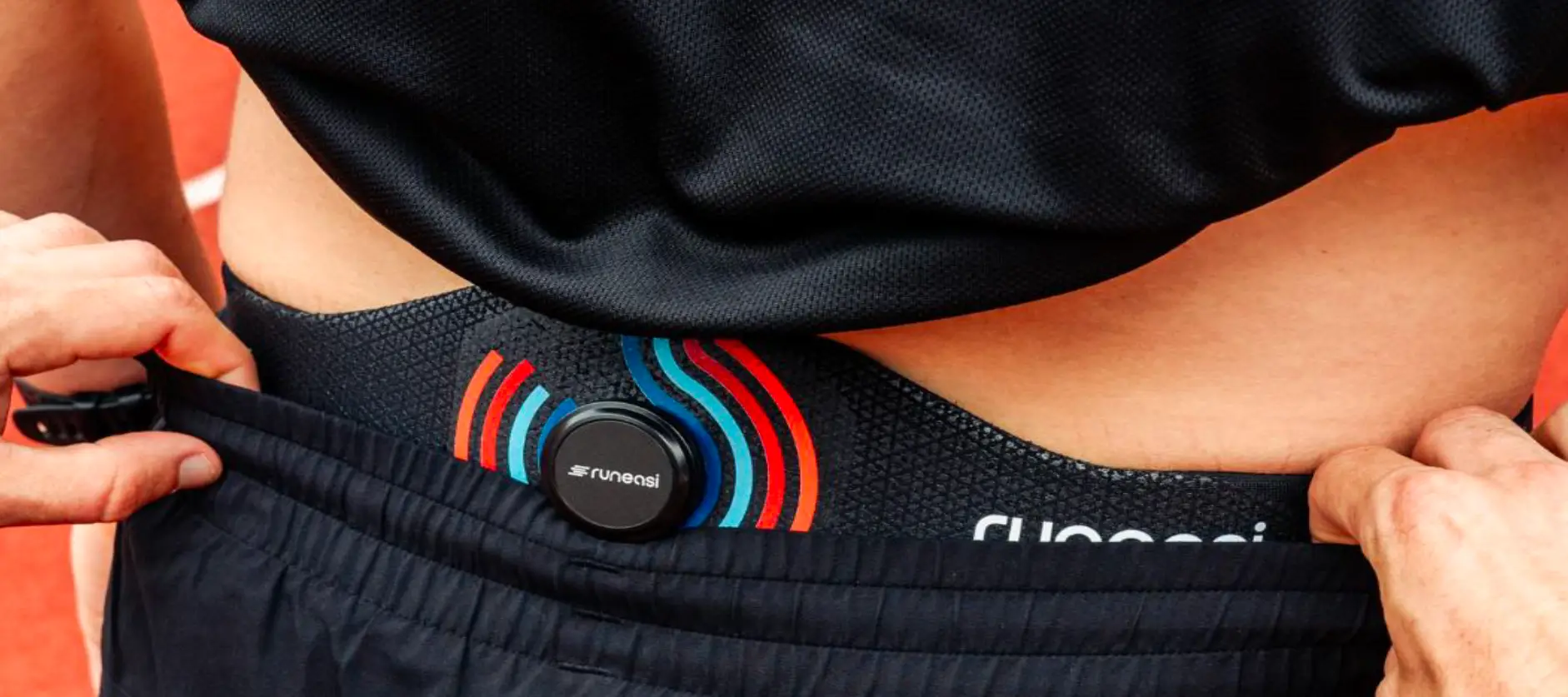
A belt-mounted sensor records impact loading, dynamic stability and left–right symmetry, across both the running and jumping modules, with real-time feedback on screen as you go.
Full body movement assessment
Hands-on screening of the joints and patterns above and below the running stride including ankles, hips, trunk, breathing mechanics.
Single-leg hop screen
A hop test measuring power and left–right asymmetry per leg — how much force each side produces and absorbs. Training data, not a clinical test.
Written report & program direction
Your session report plus plain-language interpretation: what each number means, where the asymmetries sit, and which findings matter for you and what next steps to take.
Who it's for
If you run and something isn’t adding up – you keep experiencing pain after injury, you can’t seem to break past a certain plateau or you are not sure how to achieve a big goal.
Runners
From first 10K to weekly long runs or anyone who wants to know what their stride is doing.
Endurance athletes
Marathoners, triathletes and trail runners carrying high volume who need their mechanics to hold up.
Recurring injury
The same shin, knee or hip complaint that resolves, then comes back the moment mileage climbs.
Plateaued performance
Training is consistent, the pace isn’t moving and you’re not sure what’s not working
What Makes BodyMind Gait
Intelligence Different
Most gait analysis is either done by a professional watching you jog on a treadmill and describing what they they see or video-based.
BodyMind Gait Intelligence bridges that gap by combining a trained professional’s eye with sensor data to measures how your body is moving.
BodyMind Gait Intelligence | Regular Gait Analysis | |
|---|---|---|
How your gait is measured | Wearable sensors collect movement data while you run | Running mechanics are assessed through visual observation or video |
What is measured | Measures impact loading, dynamic stability, and left right symmetry | Focuses primarily on observable running mechanics |
How imbalances are assessed | Provides measurable left right data that can be compared over time | Identifies visible differences in movement between sides |
Additional functional testing | Includes a single leg hop screen to assess power and asymmetry | Additional functional testing depends on the assessment provider |
Full body movement assessment | Includes screening of movement patterns beyond the running stride | Broader movement screening depends on the assessment format |
What you receive | Includes your measurements, written interpretation, and training direction | Reporting and recommendations vary by provider |
Tracking progress | Measurements can be repeated and compared over time | Progress tracking depends on whether repeat measurements are collected |
What happens next | Findings can be used to guide your next block of training | Next steps depend on the provider and type of assessment |
The Practitioner & the technology
Marwa Ahmed
Strength & Endurance Performance Coach
Marwa is an RRCA certified running coach, NASM certified personal trainer and a Certified Performance and Sport Scientist Coach in training. She is also an athlete herself (ex-competitor) who’s training for Ironman and takes a very data-driven approach to training her athletes. Her tech nerdness combined with her passion for human performance positions her as an expert in data-driven performance coaching for athletes across all levels.
Learn More
Powered By

Runeasi, a lab-tested wearable platform validated against gold-standard 3D motion capture and force plate data, so your assessment is built on the same science used in biomechanics research, not guesswork.
FAQs
If you’re running regularly and something keeps interrupting it — pain, a stall in progress, a nagging sense that one side works harder — then yes. You get measurements that explain what you’ve been feeling, and a plan built on them rather than on a guess. If you’re running comfortably and progressing, it’s a baseline worth having, but it isn’t urgent.
A physiotherapist assesses and treats injury — that’s a clinical relationship, and a valuable one. This is a performance assessment: sensor data plus a full body movement screen, aimed at how you train and what your mechanics can handle. Plenty of runners do both, and the report is written so your physio can read it.
You receive a written report with your sensor metrics, the movement findings, and specific program direction including drills, strength priorities and how to adjust mileage. You can take it and train on your own, bring it to your coach, or continue with the Flex program, in which case the assessment fee is credited toward it.
You need to be able to run continuously for a few minutes so the sensor captures a steady stride. Beyond that, no. New runners often get the most out of it, because the findings shape how they build mileage from the start.
Book a gait analysis in Toronto and get your numbers, your report, and a direction for the next block
Stop guessing at your stride
Enroll in the Flex program within 14 days and your assessment fee is credited toward it.