



Walk into a Loblaws, Metro, Sobeys or any Canadian grocery store right now and count the protein products – bars, cereals, pastas, ice creams, chips, cookies, etc. Everything has a “high protein” label on it these days, and Canadians are buying it. In 2019, about half of North American consumers said they were trying to eat more protein. In 2024, that number jumped to 61%. Food companies noticed and now protein is on the front of every package that will hold it, according to the Canadian Grocer.
At the same time, a group of researchers at the University of Wisconsin just published a review pulling together decades of research on what happens when you eat less protein. Their conclusion is the opposite of where the current protein trend is going.Here’s what the science says and what it means for you if you’re trying to eat more protein
What the research found
The 2026 University of Wisconsin protein restriction review came out in August 2026, written by Bailey Knopf and Dudley Lamming. They looked at protein restriction across yeast, flies, mice, and humans, and pulled it into one big picture. In animals, the data is clear. Eating less protein extends lifespan. Mice on lower-protein diets live 30% to 50% longer than mice on standard chow. That’s a huge effect. It shows up across species, across genetic strains, and across research labs.
In humans, the story is a bit more complicated. Some studies show older adults do better with more protein. Others link high-protein diets to more diabetes, more cancer, more heart problems, and in one 2023 twin study out of the UK, more muscle loss, not less.
How can eating more protein help muscle in one study and hurt it in another? The answer is in the details of who was studied, and what they were doing with their bodies.
What’s happening inside your body
In order to understand the difference, we have to look at what happens inside your body when you consume protein. When you eat protein, your body breaks it down into amino acids. Those amino acids do two things. They give your muscles the raw materials to repair and grow if there’s a reason to (more on this later). The second is that they turn on a switch called mTOR. mTOR is your growth switch. When it’s on, your body focuses on building tissue. When it’s off, your body focuses on cleanup, recycling old and damaged cells through a process called autophagy.

You need both. Growth without cleanup means damaged cells will pile up and start causing problems to other cells. Cleanup without growth means you can’t repair anything. The healthy pattern is switching between them.
The problem happens when mTOR gets stuck in the on position all the time. This can happen when you’re constantly eating protein but never giving your body a reason to build anything with it. Over years, chronic mTOR activation without a growth job to do is linked to worse metabolic health, more inflammation, and faster aging in the research.
The missing piece – exercise
Most of the studies showing problems with high-protein diets pull their data from general population health surveys. Which means the people in those studies are, on average, not training. They’re sedentary or lightly active adults eating a lot of protein without ever really using it. The paper says this directly. Their exact words: “those who are exercising may have higher protein needs or at least be able to consume higher levels of protein or specific amino acids without metabolic risk.”
So, if you’re not training, the extra protein you’re consuming has nowhere useful to go. Your body still gets the growth signal, but there’s no muscle damage to repair. No training stimulus that demands adaptation. The mTOR switch is turned on, and the growth pathway keeps running, but nothing productive comes out of it. Over decades, that translates into metabolic health issues and manifests as higher fasting glucose, higher insulin resistance, more visceral fat, and worse lipid profiles in metabolic health data.
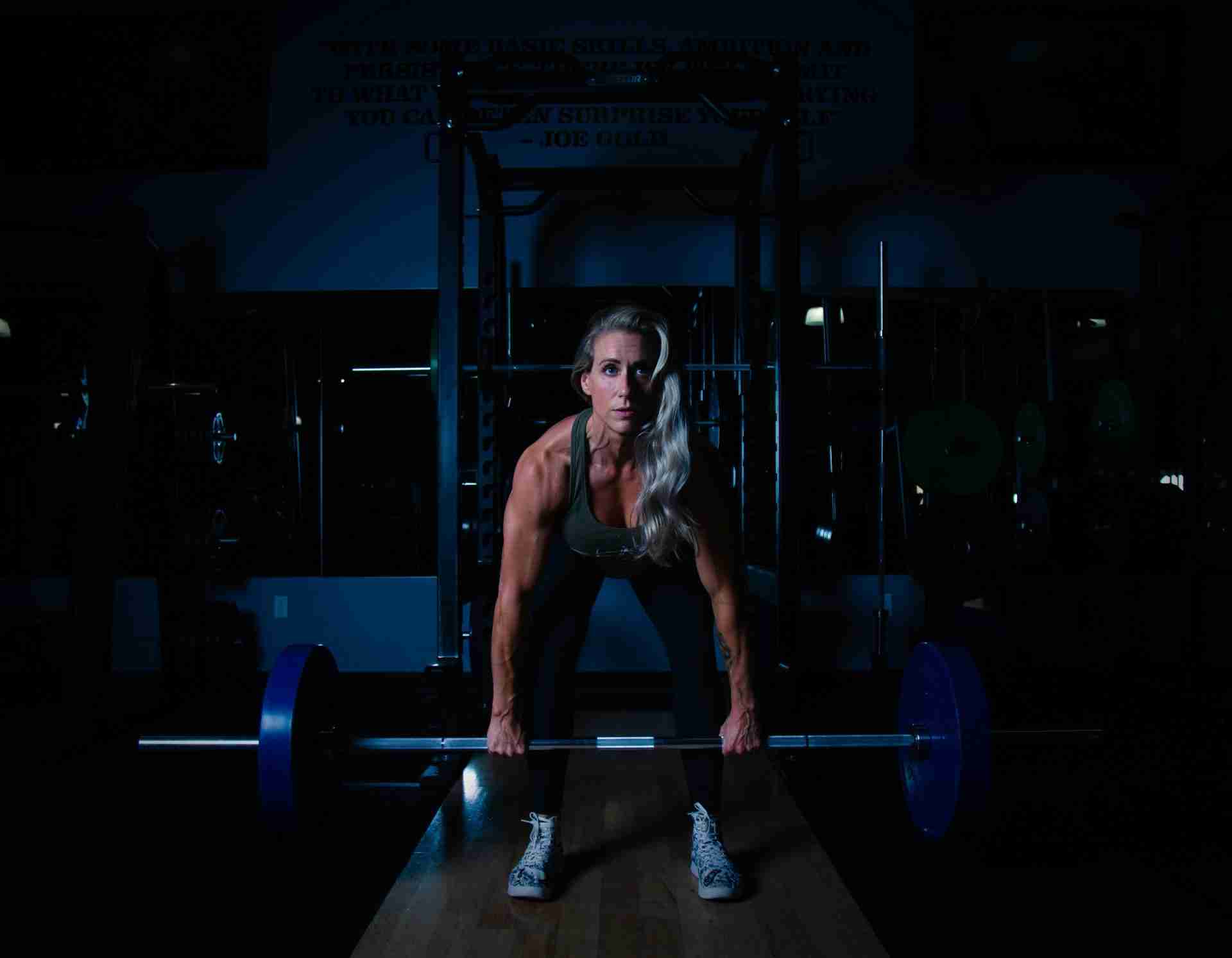
If you’re training – more specifically progressively overloading your body, everything changes. The damage from your workouts creates a real demand for repair and growth. Your muscles are actively asking for protein to repair themselves and adapt. Your body allows your muscle cells to use the amino acids. This is why growth hormones and testosterones increase in short, healthy bursts. This also leads to improved insulin sensitivity and better metabolic health.
What training does that changes the outcome
When you lift or run hard, you damage your muscle cells on purpose (small tears and micro-damages). Your body reads this as a signal that says we need to fix and rebuild. This is what adaptation means in the context of training.
Then when you consume protein, it has a specific job. Protein will be used to repair the damage and rebuild the muscle slightly stronger than before. That’s why when you progressively overload your body, you keep increasing the demand for stronger muscles and your protein demands go up.
Training also increases the number of amino acid transporters on your muscle cells. In simple terms, there are more channels on your muscle cells for protein to get where it needs to go. This effect lasts for a day or two after a hard session, so protein eaten within that window gets used more efficiently. This is called increased muscle protein synthesis (MPS) sensitivity and upregulation of amino acid transporters, often grouped under “anabolic sensitivity” or “post-exercise anabolic priming.”
Training also releases growth hormone and testosterone in short pulses. It spikes initially, then slowly comes back down, a normal healthy pattern. It’s significantly different from having growth signals constantly elevated from over-nutrition (over-consumption of protein) without a training stimulus.
Training also activates FGF21, the same longevity hormone that gets released when you restrict protein. FGF21 (fibroblast growth factor 21) is a liver-derived hormone that increases when protein – especially certain amino acids like methionine – is restricted. It improves insulin sensitivity, boosts fat oxidation, reduces inflammation, and in animal models extends lifespan.
Training also activates AMPK, which is the opposite of mTOR. AMPK (adenosine monophosphate-activated protein kinase) is an energy-sensing enzyme that turns on when cellular energy is low (like during and after exercise). It stimulates autophagy, improves insulin sensitivity, increases mitochondrial biogenesis, and shifts the body toward fat burning.
So training doesn’t just build muscle. It creates a whole internal environment where high protein consumption is legitimate and defensible. The signals happen in useful pulses instead of chronic activation. The cleanup pathways still get to run and so do the repair and rebuild pathways. That’s what training does, it creates the perfect synergy between your bodies cellular pathways to build and adapt while cleaning and repairing.
What happens when there’s no training
So what happens if you don’t train? Let’s say you eat more than what your body needs and you’re in a protein surplus. The protein consumed will be broken down into amino acids in your bloodstream. The mTOR will then be activated.
But there’s no damaged muscle to repair. There is no training stimulus telling the body to build anything. The amino acid transporters on muscle cells aren’t especially active because nothing signaled them to be. The growth hormone didn’t spike from a workout, so what happens to the extra protein?
Some of it gets converted to glucose in the liver (gluconeogenesis). Another handful will feed pathways that keep mTOR on chronically. It’s that chronic activation without a growth outcome that leads to metabolic downsides over time.
The amino acids most linked to problems in the research are methionine, leucine, isoleucine, and valine. Those are the ones that most strongly activate mTOR. In someone who constantly trains, they drive muscle growth. In an untrained person, they drive signaling without adaptation. What does that mean? It means the same amino acids that help a trained person build muscle can, in a sedentary person, contribute to chronic mTOR signaling, insulin resistance, and fat storage without any functional benefit.
There’s nothing wrong with protein itself. It’s how much you’re consuming in relation to your activity levels that makes all the difference. This is why the new wave of healthtech advancement around longevity will be fueled by personalized recommendations – including protein intake.
What this means if you don’t train
If you’re mostly a sedentary person, doing basic daily movement from sitting at a desk, walking to your car, and mostly moving around your house, you don’t need 100 grams of protein a day. The old baseline of about 0.8 to 1.0 grams per kilogram of body weight is fine for most sedentary adults. Higher amounts aren’t useful for you, if anything it can cause chronic issues down the line.
The source of protein also matters a lot. If most of that protein is coming from bars, shakes, and fortified processed snacks, then you’re still eating a highly processed diet with all the metabolic risks that come with it. A diet built around ultra-processed foods with added protein is still a processed diet. The protein content doesn’t undo the seed oils, the sugar, or the additives. The one habit that really changes the picture for most sedentary adults isn’t more protein, it’s some training. Even two or three sessions a week of resistance training changes the picture, because then the protein you eat has somewhere to go.
What this means if you train
For older adults doing consistent resistance training, 1.2 to 1.6 grams per kilogram is still valid and backed by the research. This is because as we age, we tend to lose muscle mass and strength (sarcopenia), and we develop anabolic resistance, meaning we need more protein per meal to trigger the same muscle-building response we had in our 30s.
For endurance athletes and people training hard, 1.6 to 2.2 grams per kilogram is defensible. Hybrid training, especially at high intensity, creates a high demand on your body. Triathlon training, running, competitive strength work, etc, these are all training loads that justify higher protein intake. The most important principle still holds – progressively overload, consistently over months and years. If you’re doing that, protein serves a real purpose to repair and rebuild. If you’re not, the case for consuming 150 grams a day has no merit.
Protein intake for women in peri/menopause
Women in perimenopause have a real protein need. This stems from the anabolic resistance that kicks in around this age, where you need more protein per meal to trigger the same muscle-building response you got in your 30s. Sarcopenia, the age-related muscle loss, accelerates after 50. Losing muscle in midlife matters for balance, bone density, metabolism, and independence into older age. But, this is what Instagram influencers and mainstream media forget to highlight, protein consumption alone won’t prevent muscle loss, even if you’re in perimenopause. You still need the combination of protein and resistance training to combat sarcopenia.
If you are a woman in perimenopause, eating 100 grams of protein a day and not doing any strength training, you will still lose muscle mass. However, if you are a perimenopausal woman, doing strength training with progressive overload and eating 100 grams of protein a day, this is how you will hold onto your muscles and often build more.
The training is the piece that makes the protein consumption useful. Without it, you’re taking in a lot more protein than your body needs.
Not all protein sources are equal
The paper spends a lot of time on which specific amino acids drive the aging effects (methionine, isoleucine, and valine). These amino acids are highest in red meat and dairy and are lower in plant proteins, fish, and eggs. This partly is why Mediterranean and Okinawan diets, which are lower in total protein and heavier on plant sources, show better longevity outcomes than typical Western high-protein diets. It’s not just the total protein number that matters, but also the amino acid profile of the sources.

The processed protein problem
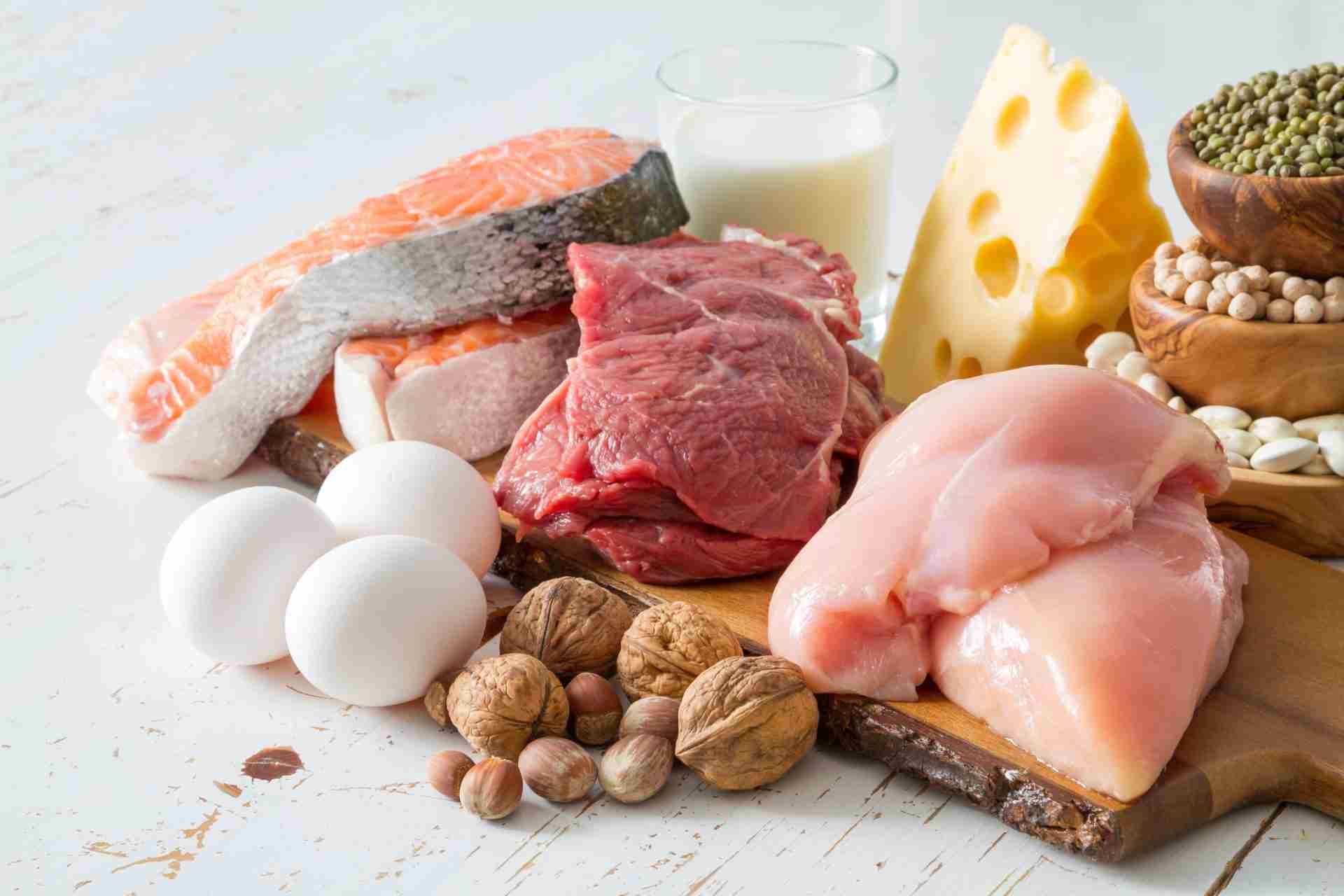
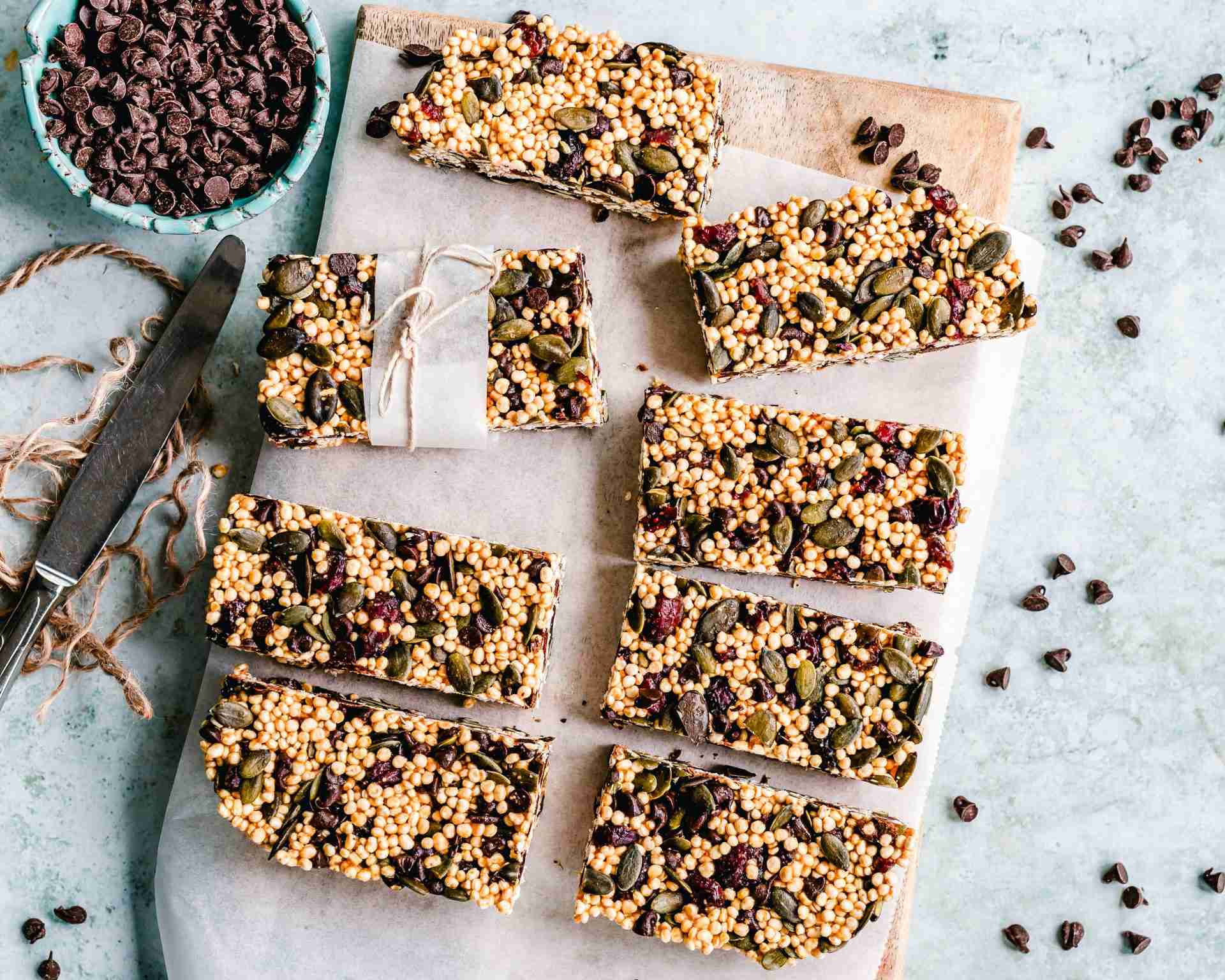
Whole food protein and processed protein food are not the same thing. A serving of grilled salmon has 25 grams of protein, omega-3 fats, no added sugar, no seed oils, and comes packaged naturally. A protein bar with 20 grams of protein often has 5 to 10 grams of sugar or sugar alcohols, seed oils, thickeners, natural flavors, and a texture that’s all artificial. The “high protein” label makes it feel healthy, but in reality it’s not as healthy as you think.
Most of the protein products flooding grocery stores right now fall into the second category. They’re ultra-processed foods with protein added as a marketing hook. The research on ultra-processed food is much clearer than the research on protein: eating a lot of ultra-processed food is bad for your metabolic health, regardless of what macros are on the label.
What I tell my clients
If you’re training seriously — endurance, strength, or both — eat enough protein to support your training. Somewhere between 1.2 and 2.2 grams per kilogram depending on your goals, your training load, and your physiological needs. This is a defensible range because your training is driving the need for protein and adaptation.
I always recommend getting protein from real food – fish, chicken, eggs, Greek yogurt, cottage cheese, legumes, moderate red meat, etc. Use protein powder as a supplement to fill protein gaps, but never use it to replace a meal. Another recommendation I give my client is to watch the total processed food load you consume. A diet full of bars and shakes is a processed food diet, no matter how much protein the labels say they have.
If you’re not training, the case for eating a high protein diet is not justifiable. Focus on whole food quality, adequate protein for basic function, and start training. That’s the most research-backed intervention that will ensure a healthy aging trajectory.
Bottom line
This research served the purpose of debunking the wellness trend of protein-maxxing everything, including coffee. But in reality, this is not new information for health and fitness professionals about protein intake. It’s the same advice of eating adequate protein in relation to your training load and lifestyle and training with enough progressive overload to drive adaptation.
The advice of “just eat more protein because it’s good for you” is oversimplifying the science and is now showing that it can lead to chronic health conditions. Just focus on eating a high quality diet and protein sources and keep training harder as you age.