




Disclaimer: I am not a physician, pharmacist, or dietitian. I am a functional strength and endurance coach based in Toronto and an endurance athlete writing about a topic that has become central to the training and longevity conversation. Nothing in this article constitutes medical advice. If you are considering taking a peptide, speak with a licensed clinician first and ensure you thoroughly research the scientific data available today.
That being said, Iget asked about peptides a lot. Clients see them on Instagram or hear about them on podcasts and want to know if this is the shortcut that finally makes their training or their recovery better. My job as a coach is to help them think about it clearly, honestly, and in the context of everything else they’re doing.
Peptides have become one of the most talked-about topics in medicine, sports recovery, and longevity, and one of the most misunderstood. Some peptides are fully FDA-approved drugs, some are compounded prescriptions in a regulatory gray zone and some are sold online as “research peptides” with no assurance of purity, dosing, or human safety.
If you work in fitness, sports performance, or are simply trying to understand what all the peptide hype is about, you’ve probably heard of how interesting peptides can be. The important question to ask is: are they proven enough, safe enough, and regulated enough to justify use in humans. Especially if you are an athlete who needs reliable outcomes and low-risk decisions.
Last week‘s FDA vote made those questions even more urgent. Here’s a summary of what happened, what peptides are, and what the scientific evidence shows.
What Are Peptides?
According to Harvard Health, a peptide is a short chain of amino acids linked together by peptide bonds, usually shorter than a protein and often more selective in what it does. Chain together 2 to about 50 amino acids and you have a peptide. Chain them longer and you have a protein.
The body naturally makes many peptides that regulate appetite, blood sugar, hormone signaling, inflammation, tissue repair, and other essential processes. Insulin is a peptide. Oxytocin is a peptide. Growth hormone-releasing hormone is a peptide. When you eat protein, your body breaks it down into peptides and then into individual amino acids for use.
That’s why the word “peptide” can mean very different things depending on context. A peptide may be a normal hormone the body produces, a prescription medicine, a lab-made therapeutic, or an unregulated product sold with claims that are too optimistic to the existing evidence.
Why Peptides Matter
Peptides have become a big deal because they can be engineered to act on specific receptors and pathways, which makes them attractive to drug developers and appealing to people looking for targeted effects. That specificity is why peptides come up in topics about weight loss, recovery, connective tissue repair, immune function, sleep, and aging.
But here’s the part I keep having to explain to clients: interest has moved much faster than the science in most cases. In a lab, a peptide might do something impressive on specific receptors. In a real human being with hormonal fluctuations, training loads, sleep debt, real stressors, that same peptide might do very little, or something entirely different. That gap between mechanism and real-world outcome is the whole reason to be careful. We simply don’t have enough data to conclude whether this is right for real human beings or not.
The Three Categories of Peptides
The best way to think about peptides is through their regulatory and evidence status. The table below breaks them down by category in both the Canadian and US landscape.
| Category | What it means | Typical examples | US status | Canadian status |
|---|---|---|---|---|
| FDA/Health Canada-approved peptide drugs | Fully studied drugs with approved uses | Semaglutide, insulin, tirzepatide | FDA-approved | Health Canada-approved with DIN |
| Compounded peptides | Prepared by licensed compounding pharmacies | Sermorelin, ipamorelin, CJC-1295 | Legal in US via 503A pharmacies | Legal in Canada via licensed compounding + prescription |
| PCAC-reviewed peptides (July 2026) | Under active regulatory review | BPC-157, TB-500, KPV, MOTS-c, Semax, Epitalon | FDA final decision pending (Q1 2027 realistic) | Not approved as drugs; NHP compounding loophole exists |
| Research/unauthorized peptides | Products sold with no approved therapeutic pathway | Anything sold as “research use only” online | Illegal for human use | Health Canada advisory issued April 2026 |
Understanding which category of peptide you are talking about changes everything about the risk-benefit calculation and help guide your decision on whether to use them or not.
Therapeutic vs Performance Peptides
There’s another important way to classify peptides. Peptides can be therapeutic-based or performance-based.
Therapeutic Peptides
Therapeutic peptides are used, or at least studied, for treating specific medical conditions. Semaglutide for type 2 diabetes and obesity. Insulin for diabetes. Tesamorelin for HIV-related lipodystrophy. These are peptides being prescribed for people with a specific medical problem, under clinical supervision, based on strong evidence that the benefit outweighs the risk for that specific condition.
Performance Peptides
Performance peptides are marketed to athletes and active people to improve recovery, body composition, endurance, or tissue repair, even when the human evidence is thin. BPC-157 for tendon healing. TB-500 for soft tissue recovery. MOTS-c for metabolic optimization. These are compounds being used by generally healthy people who want an edge, not by patients treating an illness.
Why does this classification matter from a coaching perspective?
It matters because the risk-benefit threshold is very different. If you are a patient with type 2 diabetes and your doctor prescribes semaglutide, you have a real medical problem that the peptide is trying to solve. The risk of taking a well-studied FDA-approved medication is meaningful, but so is the risk of not treating your diabetes. The risk-benefit ratio has been calculated based on decades of clinical trial data. That is a legitimate medical decision made with a clinician.
Are Performance Peptides Needed for Long-Distance Runners
If you are a healthy runner or lifter who wants to recover 20% faster from a hamstring strain, and you’re considering an unregulated peptide with fewer than 30 published human subjects behind it, the risk/benefit ratio is very different. You don’t have a medical problem the peptide is trying to solve. You have a training problem. And most training problems have training solutions that are cheaper, safer, and more durable than experimenting with compounds we don’t fully understand in humans yet.
As a coach, this is where I spend most of my time. Clients come to me frustrated with plateaus, lingering injuries, slow recovery, and stubborn body composition. They’ve heard about peptides on a podcast. They want to know if it’s the missing piece.
Almost every time, the answer is: it isn’t. What’s usually missing is more foundational. Protein intake is too low. Sleep is fragmented, training volume is inconsistent, recovery weeks are skipped, Zone 2 cardio is missing, or bloodwork hasn’t been done in five years. A peptide isn’t going to fix any of that, and it isn’t going to work as well as it possibly could in a body that hasn’t first been given what it actually needs.
That doesn’t mean peptides never have a place. It means that for a healthy athlete or active adult, the need to reach for a peptide should be much higher than “I heard about this on Instagram and I want to try it.”
Semaglutide: What a Peptide Medicine Looks Like
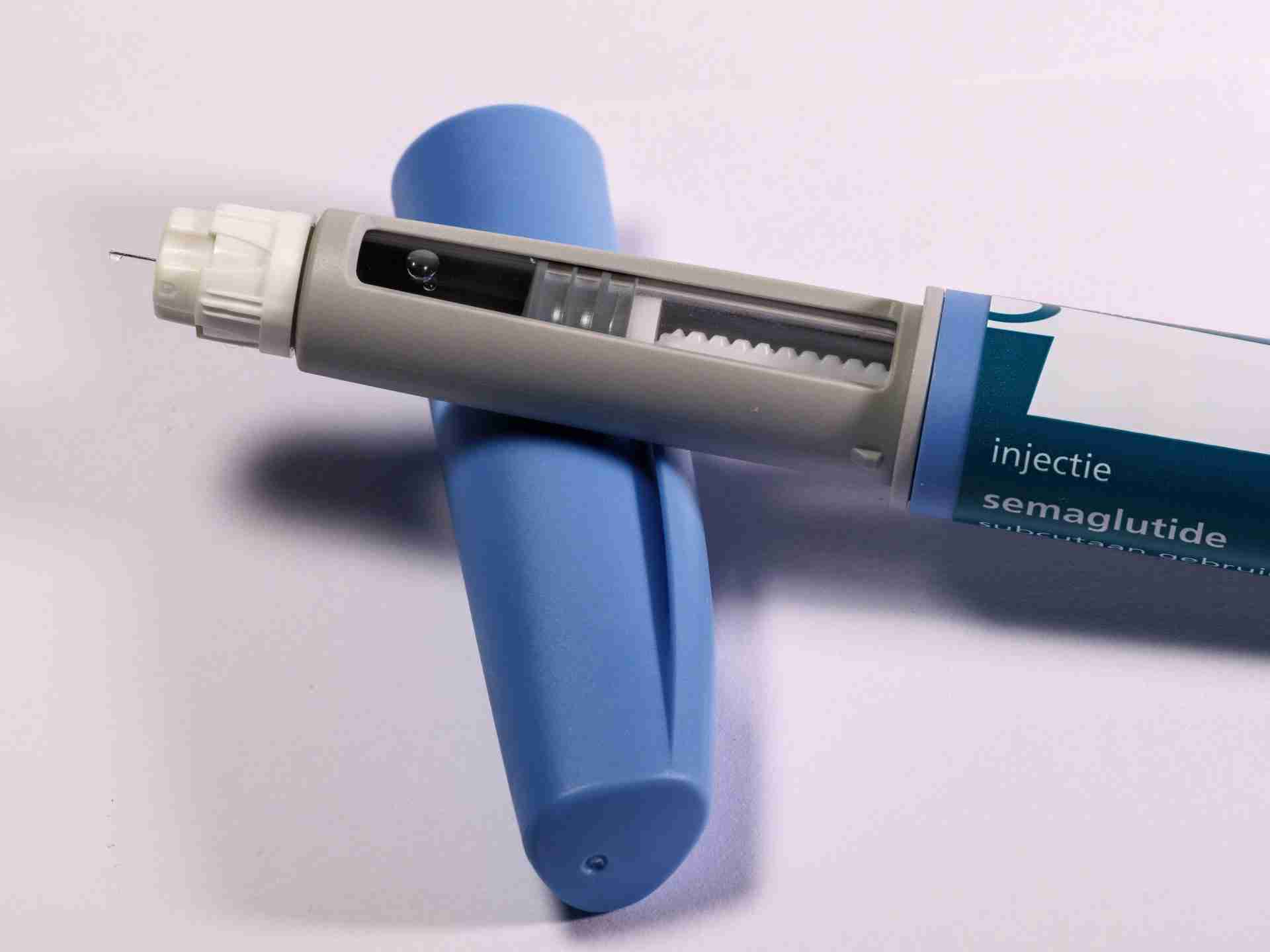
Is Ozempic a peptide? Yes. Semaglutide, the active ingredient in Ozempic and Wegovy, is a 31-amino-acid peptide that mimics the naturally occurring hormone glucagon-like peptide-1 (GLP-1). Cells in your intestine secrete GLP-1 after you eat, and that does several things: it stimulates insulin release, slows gastric emptying, and signals your brain that you are satiated.
Semaglutide is a GLP-1 receptor agonist. It binds to the same receptors as natural GLP-1 but is engineered to resist degradation, so it stays active in the body for about a week rather than minutes. This is why Semaglutide is administered weekly rather than continuously.
The mechanism has been studied extensively. According to peer-reviewed research, semaglutide works through both central and peripheral pathways. Centrally, it activates satiety-signaling neurons in the hypothalamus and hindbrain (specifically POMC and CART neurons) and inhibits appetite-driving neurons (NPY and AgRP neurons). Peripherally, it slows gastric emptying and improves insulin sensitivity.
Ozempic is FDA-approved. It has gone through rigorous clinical trials. This distinguishes it clearly from the compounded and research peptides the FDA committee was discussing this week.
Semaglutide has been a breakthrough in metabolic peptide and longevity for a reason. It has shown what happens when a peptide is tested rigorously, monitored carefully, and approved for a defined medical use. It is not proof that all peptides work, but it is proof that peptide-based medicine can be highly effective when the science is strong enough.
Is Collagen a Peptide?
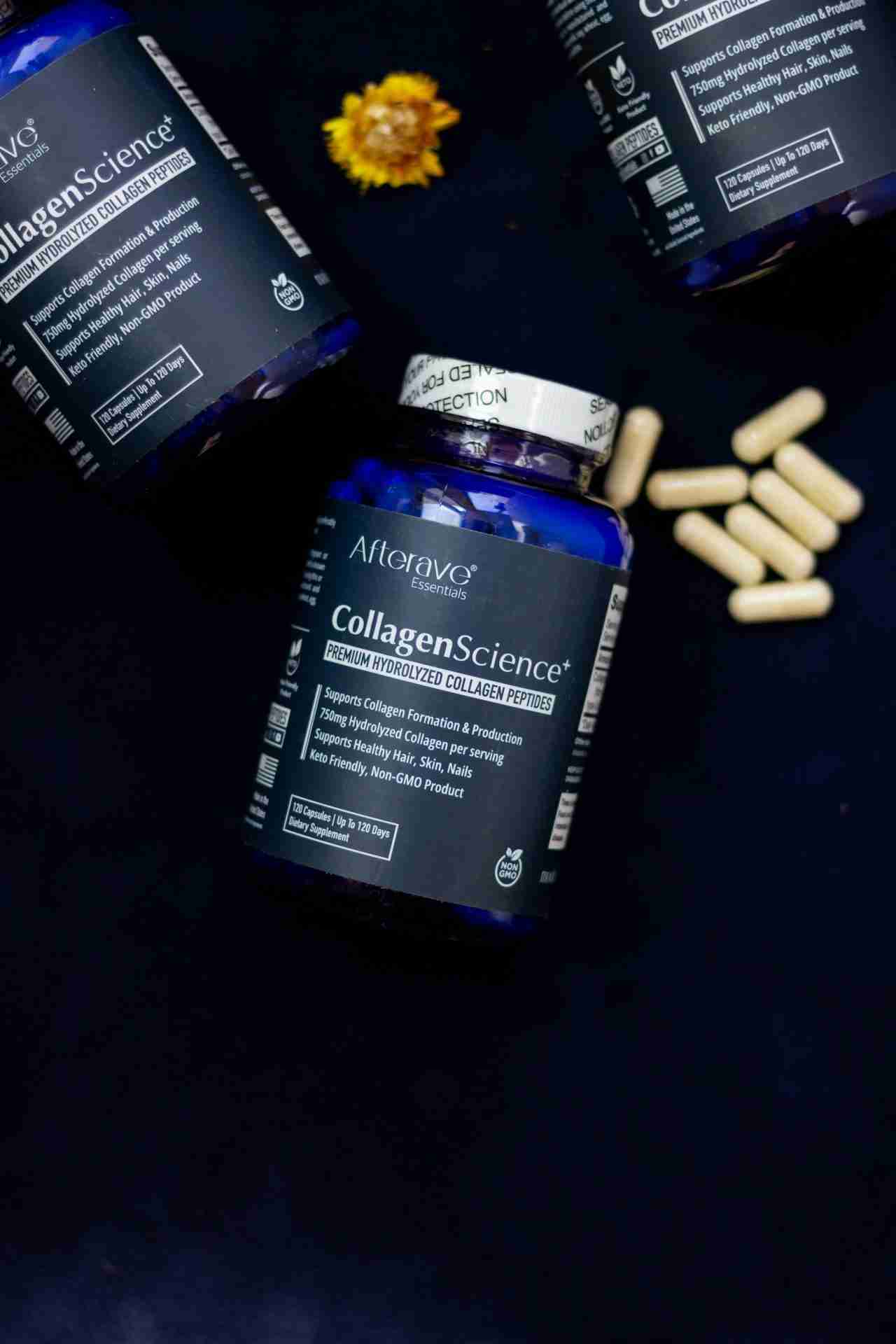
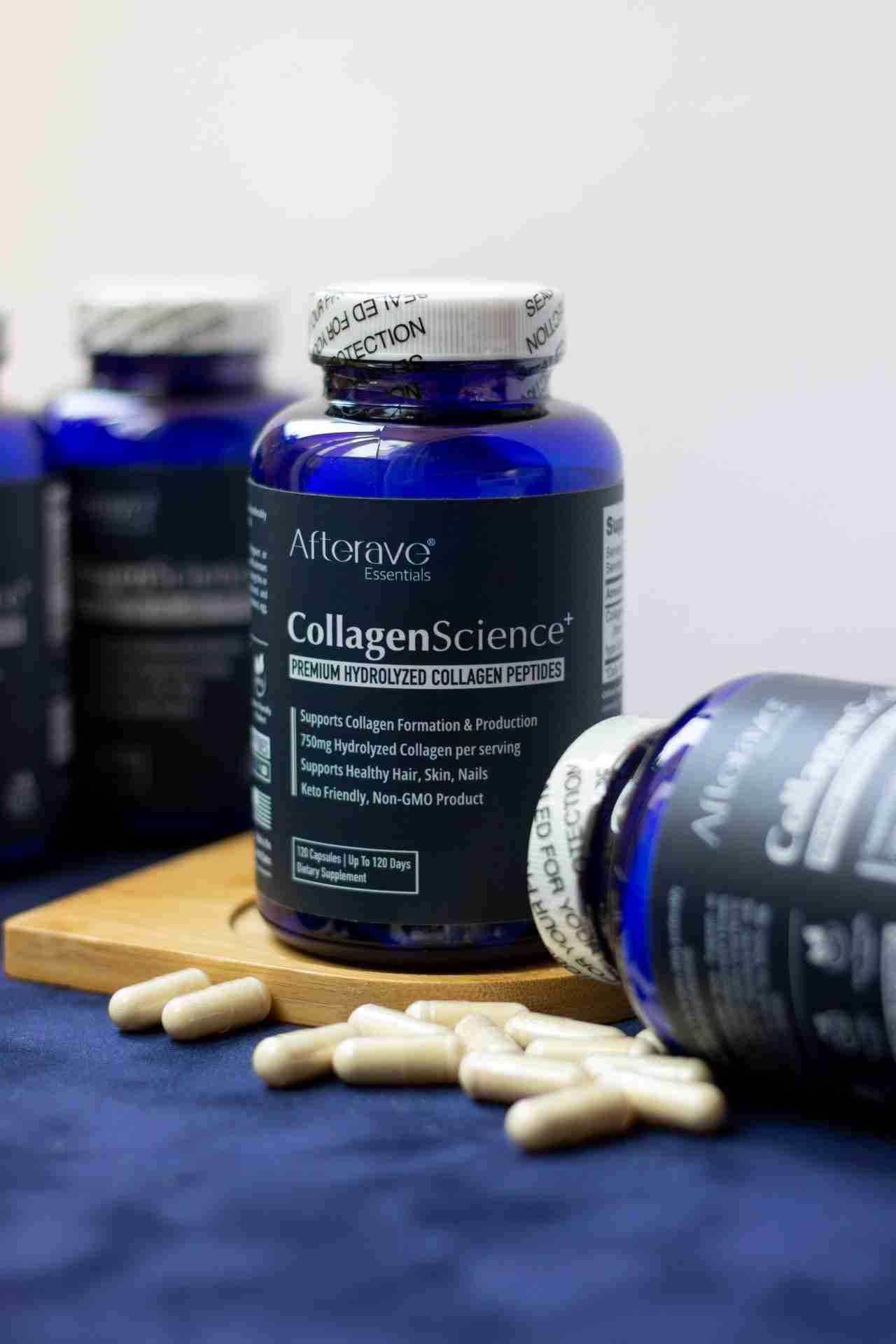
Yes collagen is a peptide, but with an important caveat.
Collagen supplements drug stores offer are technically “collagen peptides,” which are collagen protein hydrolyzed into shorter chains for better absorption. But collagen peptides sit in a completely different regulatory category. They are classified as dietary supplements, not drugs. They are legal, widely available, and generally recognized as safe. Their evidence base focuses on joint health, skin elasticity, and connective tissue support.
Buying collagen at the vitamin store is not the same as accessing BPC-157.
The FDA Peptide Debate: What Just Happened
In July 2026, the FDA’s Pharmacy Compounding Advisory Committee reviewed seven peptides for potential inclusion on the Section 503A Bulks List, which affects whether compounding pharmacies may legally prepare them for patient-specific prescriptions.
The peptides reviewed were:
- BPC-157 (Body Protection Compound 157)
- TB-500 (thymosin beta-4 fragment)
- KPV
- MOTS-c
- Emideltide (also called DSIP)
- Semax
- Epitalon
In an unusual move, the committee rejected the FDA scientific staff’s recommendations and voted to add six of the seven peptides to the list, rejecting only Emideltide. HHS Secretary Robert F. Kennedy Jr. has publicly supported expanding peptide access. The meeting highlighted the ongoing tension between demand, scientific uncertainty, and regulatory oversight. Allowing compounding pharmacies to mix a peptide does not mean the FDA has approved it, nor does pharmacy availability prove strong evidence for broad clinical use.
As a coach watching this space, my read on the vote is straightforward: it’s a shift in the regulatory conversation, but it’s not the green light some people are treating it as. My clients who ask ‘so is BPC-157 legal now?’ still get the same answer this week that I gave them last week. No, not really. And even if it eventually becomes legally compoundable, that doesn’t automatically mean it’s the right choice for their specific goal.
What Happens Next: The Timeline Beyond the Vote
It’s important to be clear about what the July 2026 vote changed and what it didn’t. The PCAC vote is a recommendation, not a legalization. The FDA now has to review the committee’s recommendation and, if they choose to adopt it, publish a formal final rule that officially adds these peptides to the Section 503A Bulks List. That rulemaking process typically takes 6 to 18 months. Here is what the timeline can look like from now:
- Late 2026 at the earliest for the FDA to publish a final rule
- Q1 2027 more likely for compounding pharmacies to actually begin preparing these peptides legally
- A second PCAC meeting before end of February 2027 will review five additional peptides (LL-37, GHK-Cu, Dihexa, Melanotan II, PEG-MGF)
Between now and then, nothing changes at your compounding pharmacy. The peptides remain in regulatory limbo — no longer explicitly banned, but not yet legal to compound. Anyone telling you these peptides are “legal” as of this week is misrepresenting the process.
What This Means in Canada
The FDA vote is US-specific. If you’re a Canadian reader (or, like me, based in Toronto), the peptide regulatory landscape looks meaningfully different.
The Canadian Regulatory Framework
Canada regulated peptides as prescription medicines. Health Canada requires authorized medicines to carry an eight-digit Drug Identification Number (DIN). If a product doesn’t have one, it means Health Canada hasn’t assessed it for safety, efficacy, or quality.
In April 2026, Health Canada issued a public advisory warning people not to buy or use unauthorized injectable peptide medicines sold online. The advisory named specific products that Health Canada seized, including BPC-157, CJC-1295, DSIP, epitalon, GHK-Cu, HCG, ipamorelin, KPV, melanotan I and II, MOTS-c, NAD+, SS-31, TB-500, and retatrutide. Health Canada explicitly said: products labeled “For Research Use Only” are not made legal for human use by that label alone.
The Three Peptide Categories in Canada
How the peptide categories break down in Canada:
- Approved pharmaceutical products — insulin, semaglutide (Ozempic/Wegovy), bremelanotide (Vyleesi), and others with a valid DIN. These can be prescribed and dispensed through standard pharmacy channels. In April 2026, Health Canada also authorized a generic semaglutide injection, reinforcing the difference between approved synthetic peptides and unauthorized compounded products.
- Compoundable peptides — sermorelin, ipamorelin, and CJC-1295 fall into this category in Canada. They aren’t available as finished products, but can be legally prepared by licensed compounding pharmacies when prescribed by a physician within a legitimate prescriber-patient relationship.
- Unauthorized peptides — BPC-157 and TB-500 remain unapproved by Health Canada for human use. They cannot be legally sold, prescribed, or compounded as drugs in Canada.
The CBC Investigation and the NHP Loophole
For my Toronto-based clients, this reality applies directly. CBC News published an investigation confirming that doctors in Ontario are using the natural health product compounding framework to prescribe BPC-157, even though Health Canada has explicitly stated the peptide’s safety, efficacy, and quality have not been assessed. The compounding pathway is legally permitted for doctors, Health Canada confirms. But getting it through the NHP path is not the same as getting a peptide as approved medicine. That distinction matters for anyone considering BPC-157 through a Toronto or GTA clinic.
As Stuart Phillips, a professor of kinesiology at McMaster University, told CBC: “Nobody’s minding the store. Health Canada won’t approve it as a drug, but it slips through as a compounded natural health product, where the federal safety check basically doesn’t happen.”
For Canadian readers, that means the peptide landscape has three tiers:
- Fully authorized peptide medications (like Ozempic) — legal, safe, evidence-based, prescribed through normal channels
- Compoundable peptides through legitimate physician-pharmacy relationships (like sermorelin) — legal within clinical scope
- Everything else – including BPC-157, TB-500, MOTS-c, and most of the peptides now trending online — still not approved by Health Canada, and while some doctors are accessing them through the natural health product compounding loophole, that pathway lacks the same regulatory oversight as approved drugs
The FDA vote does not change any of this in Canada. Health Canada operates independently of the FDA, and Canadian regulatory decisions on these compounds are their own separate process.
BPC-157 and the Recovery Conversation
BPC-157 is one of the most talked-about peptides in sports and longevity circles because of its preclinical reputation for healing-related effects.
Animal studies suggest possible benefits for tendon, ligament, gut, and bone repair, which is enough to create interest among athletes and clinicians who work around recurring injuries. But the human evidence is still thin.
According to multiple peer-reviewed reviews published in 2025 and 2026, there are more than 200 studies on BPC-157, primarily in rodent models. These studies suggest accelerated healing of Achilles tendon injuries, improved gut epithelial repair, and enhanced bone healing in animals.
Although the animal evidence is strong, the human evidence is not as strong and there are a few reasons why:
- Only three published human studies exist as of March 2026
- Total human subjects studied across all published trials: fewer than 30 people
- The existing human studies lack placebo controls
- All studies were conducted by the same Croatian research group
- A 2015 Phase 1 trial of 42 volunteers was cancelled before publishing results
- The first controlled human trial (NCT07437547) is only now recruiting
So when a client asks me about BPC-157 specifically, this is what I say: the animal evidence is genuinely interesting, and I understand why the wellness world got excited. But we don’t yet have enough human data to say with confidence how well it works, at what dose, for whom, or with what long-term safety profile. If they want to explore it, that’s a conversation with a licensed clinician, not with me. And in the meantime, we’re going to focus on the training, load management, and recovery basics that we know work.
Recovery, Strength, and Athletics
This is where I think the conversation needs the most grounding. As a running coach who works with athletes a lot, I can tell you firsthand that runners and endurance athletes in general are the demographic that wants the fastest healing time. Missed training has a real cost to them and when injuries linger, the temptation to look for a shortcut becomes much stronger. No one wants to sit out for 6 weeks, right?
But the best recovery outcomes in sport still come from the basics done very well: appropriate loading, progressive strength work, adequate energy intake, protein sufficiency, sleep, and smart training management. GetHealthSpan best put it as “peptides are second tier optimization, not foundation”. That is especially true for endurance athletes, who often need both strong tissue tolerance and aerobic fitness preserved as they go through rehab.
A peptide would have to beat that foundation to be worth the tradeoff. And most peptides I’ve read about don’t beat that foundation. They might help around the edges for the right person under the right supervision. But they aren’t shortcuts around the boring, consistent, unsexy work that actually produces adaptation.
Strength Training Context
For strength athletes and hybrid runners, the appeal of peptides is obvious: peptides can promise less soreness, faster adaptation, and shorter breaks from training. But muscular performance is not just about tissue repair. It also depends on training stimulus, fatigue management, sleep, nutrition, and long-term consistency.
That means any peptide marketed for strength or body composition should be judged against a very high standard. The question then is not whether a compound sounds anabolic (muscle-building) or regenerative in theory, , but whether it leads to meaningful outcomes without creating additional risks.
Safety and Quality
Safety is one of the biggest reasons to be careful when it comes to pepetide use, according to the FDA. Peer-reviewed safety studies note concerns such as immunogenicity, aggregation, impurities, and the broader complexity of peptide therapeutics. This becomes especially important when product quality is not tightly controlled. The risk is even higher with products sold as “research chemicals.” Those products are often not approved for human use, may not have reliable manufacturing oversight, and can come with contamination, mislabeling, and dosing uncertainty.
For competitive athletes, this is really important because uncertain quality & dosing are the kinds of variables you do not want when health, competition, and recovery timelines are on the line.
Regulation and Compounding
The regulatory picture is evolving, but it is still not simple. The FDA has already flagged certain bulk substances used in compounding as presenting significant safety risks, and the 2026 PCAC review shows that peptide access is still under active scrutiny.
For readers, the practical takeaway is this: legality, availability, and evidence are three separate questions.
A compound can be accessible, but still not well supported. It can be discussed by regulators, but still not approved. It can be sold online, but still not be safe or trustworthy.
What Clients Should Ask
If an athlete or client is considering a peptide, the conversation belongs with a licensed clinician who knows their health history.
The right questions are:
- What human evidence exists for this specific peptide in my specific situation?
- What is the source and how is purity verified?
- What are the short- and long-term risks?
- What would we monitor with bloodwork or clinical assessment?
- What are the non-peptide alternatives I have not tried yet?
- If this is off-label, what is the rationale for recommending it?
- What is the exit strategy if it does not work or produces side effects?
A physician who can answer these questions clearly is operating responsibly. A physician who dismisses these questions or does not know the answers is not the right physician for this conversation. If the answers are vague, defensive, or overly confident, that is usually a sign to slow down and look into more research yourself.
What Matters Most
I coach clients across Toronto and remotely, and the ones I see making real progress with strength, endurance, and longevity aren’t chasing the newest peptide trends. They’re the ones nailing the fundamentals week after week. They are focusing on hitting protein, consistently resistance training, doing the aerobic work, getting quality sleep, and getting bloodwork done every year.
That answer isn’t as exciting as the promise of an injection that accelerates healing or a peptide that reshapes body composition. But it is the honest one, and it’s based on science.
Yes, peptides sit at the frontier of medicine, and some of them may become important tools over the next decade. But being on the frontier is not the same as being ready for broad use. That’s the distinction I want you to leave with.
If you want help building a strength, endurance, or longevity strategy that actually fits your life, work with me or explore my longevity practice.