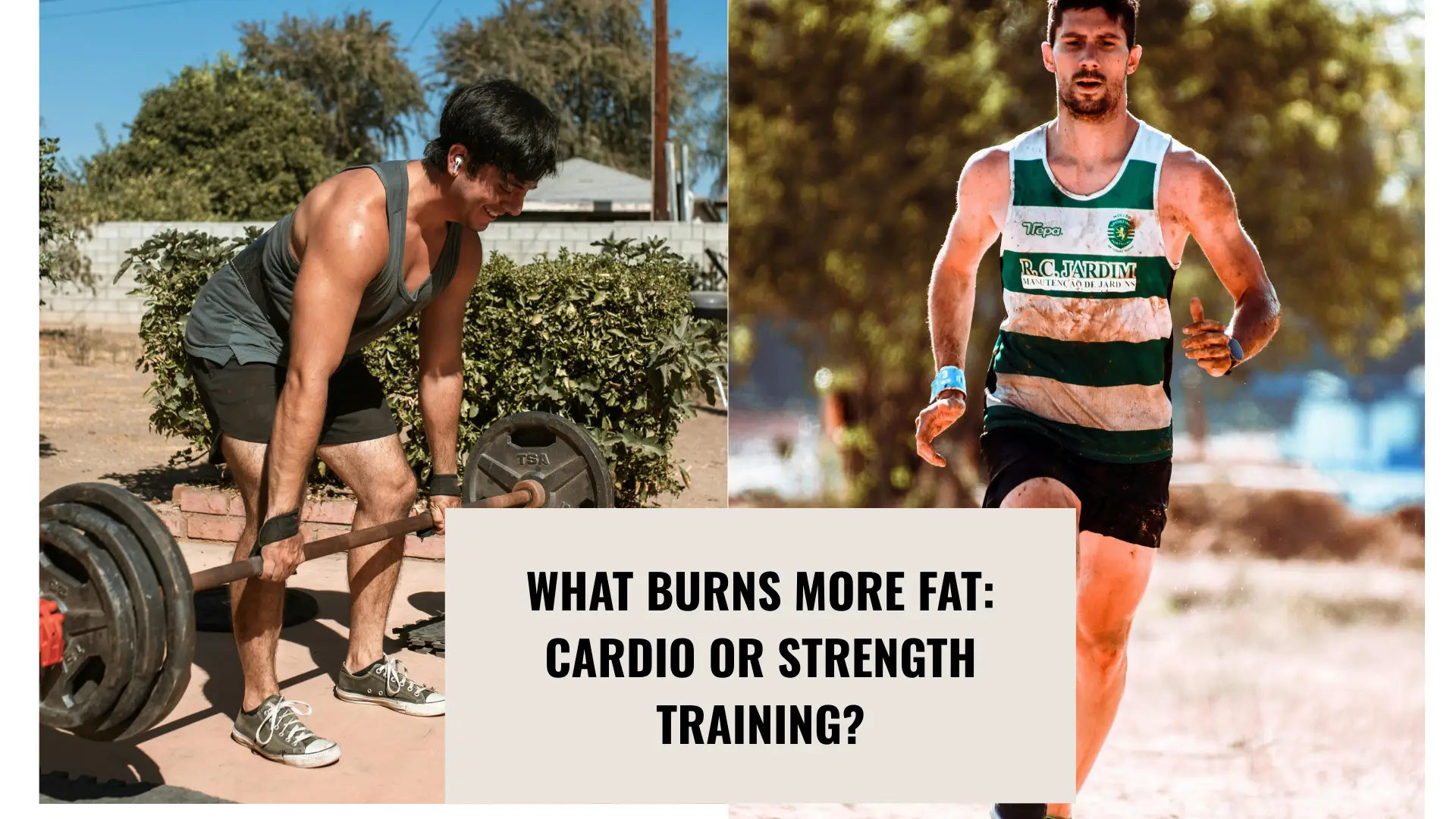
What burns more fat: cardio or strength training?
If you’ve asked this question, you’ve probably found conflicting answers. Some articles say cardio is king for fat loss. Others claim strength training is the secret. Most just tell you to “do both” without explaining why or how much of each you need.
I’m a running and strength coach in Toronto. I work with endurance athletes who lift weights and strength athletes who run. I’ve seen both approaches burn fat and both approaches fail, depending on how they’re used.
The short answer: cardio burns more fat during exercise. Strength training burns more fat after exercise and over time. You need both, but probably not in the way you think.
What the Studies Show (And What They Don’t)
Here’s where the confusion starts.
A Duke University study compared cardio and strength training for weight loss. The cardio group lost about 4 pounds over 8 months. The resistance training group gained 2 pounds, muscle, not fat. So cardio burns more fat, case closed?
Not quite.
A more recent Virginia Tech study found that weightlifting reduced body fat better than running and improved insulin resistance (which affects how your body stores fat). Strength training also beat cardio for reducing visceral fat, the dangerous kind around your organs.
So which one actually burns more fat? Both. They just do it differently.
Cardio burns more calories (and therefore more fat) minute-for-minute while you’re exercising. Strength training burns fewer calories during the workout but builds muscle that burns more calories 24/7, even when you’re sleeping.
One gives you immediate fat burning. The other changes how much fat you burn all day.
Cardio: Burns More Fat During Exercise
Running, cycling, swimming, rowing, these burn fat while you’re doing them. A 180-pound person running at a 10-minute mile pace for 30 minutes burns around 400 calories. If you’re in a calorie deficit, most of that comes from stored fat.
Do that five times a week and you’ve burned 2,000 extra calories, which translates to more than half a pound of fat loss per week if your diet stays the same.
The advantage is immediate. You run, you burn fat, you’re done. It’s also accessible, most people can go for a walk or jog without equipment or instruction.
So why not just do cardio?
Because when you lose weight through cardio alone, you don’t just lose fat. You lose muscle too. When you’re eating in a deficit and doing only aerobic exercise, your body doesn’t have a strong reason to keep muscle around. Muscle is expensive to maintain, so if you’re not using it through resistance training, your body will sacrifice it to conserve energy.
Lose muscle and your metabolism slows. You burn less fat at rest. The initial weight loss works, but keeping it off gets harder because your body now burns fewer calories baseline than before you started.
Strength Training: Burns More Fat After Exercise (And All Day)
Strength training burns fewer calories while you’re doing it. Thirty minutes of lifting might burn around 100-120 calories. Running for the same time burns roughly 200-250, about twice as much.
So how does strength training burn fat if it burns fewer calories during exercise?
Two ways.
First: The afterburn effect. After a heavy lifting session, your body keeps burning calories (and fat) at an elevated rate for hours as it repairs muscle tissue. This is called EPOC (excess post-exercise oxygen consumption). You’re not burning as much during the workout, but you’re burning more after you stop. This can last up to 48 hours.
Second: Muscle burns fat 24/7. Every pound of muscle you build increases how many calories you burn at rest. Muscle tissue requires more energy to maintain than fat tissue does. Build more muscle and you burn more fat doing nothing — sleeping, sitting at your desk, standing in line at the store.
This compounds over time. A person with more muscle mass burns more fat all day, every day, even when they’re not exercising.
Strength training also improves insulin sensitivity, which means your body handles carbohydrates better and stores less as fat. This matters if you’re trying to keep fat off long-term.
What I See With Clients: Fat Loss vs. Weight Loss
I worked with a client who was running five or six times a week, eating in a deficit, frustrated that she stopped losing weight. She’d lost 15 pounds initially, then the scale wouldn’t budge for two months.
We tested her body composition and found she’d lost muscle along with fat. Her body was now burning fewer calories at rest than when she started. She was eating the same amount but her metabolism had adapted down.
We cut her running to two sessions per week and added two strength sessions. Three months later she’d lost another 8 pounds, but more importantly, she’d lost 10 pounds of fat and gained 2 pounds of muscle. Her body looked completely different even though the scale barely moved.
I’ve also worked with clients who lift heavy three or four times a week, avoid cardio, and wonder why they’re not losing fat even though they’re getting stronger. They’re building muscle (good) but not creating enough of a calorie deficit to actually burn fat.
We added two cardio sessions per week and they started losing fat again. Strength stayed the same. This was how her body looked like after 3 months of consistent running and strength training.

The pattern I see: cardio-only burns fat initially but slows down as you lose muscle. Strength-only changes your body composition but doesn’t burn enough fat if your diet isn’t tight. Both together burns fat faster and keeps it off longer.
So What Burns More Fat? Both (Here’s How to Use Them)
| Exercise Type | Burns During | Burns After | Best For |
|---|---|---|---|
| Cardio | 200-250 cal/30min | Minimal | Immediate fat loss, endurance |
| Strength Training | 100-120 cal/30min | Up to 48 hours | Long-term metabolism, muscle preservation |
| Both Together | Most total calories | Maximum fat loss | Best body composition results |
Cardio burns more fat during exercise. Strength training burns more fat after exercise and increases how much fat you burn all day.
If you want to burn the most fat possible, you need both.
Here’s how to structure it:
Strength training: 2-3 sessions per week. Focus on compound movements (squats, deadlifts, presses, rows) that work multiple muscle groups. Use progressive overload, meaning gradually add weight or reps over time. This builds muscle that burns fat 24/7.
Cardio: 2-3 sessions per week. Mix steady-state work (30-45 minute runs or bike rides at moderate pace) with some higher-intensity intervals. This burns fat during exercise and creates the calorie deficit you need for fat loss.
Total: 4-5 training sessions per week. Manageable, sustainable, effective for fat loss.
If you can only train three times per week, do two strength sessions and one cardio session. Building and preserving muscle matters more for long-term fat burning than immediate calorie burn.
If you’re training for a specific race or event, adjust. More running if you’re prepping for a marathon. More strength if you’re focused on powerlifting. But keep at least some of both.
This is exactly how I structure the Flex program for endurance athletes in Toronto. Running programming combined with strength work and mobility. Not one at the expense of the other, because both matter for burning fat and staying healthy.
Mistakes That Slow Down Fat Burning
Only doing cardio. You’ll burn fat initially but lose muscle, which slows your metabolism. Add two strength sessions per week minimum to preserve muscle and keep burning fat long-term.
Lifting weights but ignoring your diet. Strength training builds muscle that burns fat, but you still need a calorie deficit to actually lose fat. Track what you’re eating.
Not using progressive overload. If you’re lifting the same weight for the same reps every week, you’re not building muscle. Add weight, reps, or sets over time. More muscle = more fat burned at rest.
Doing one because you hate the other. I get it. But if you want to burn the most fat possible, you need both. Find versions of each you can tolerate.
How to Start
If you’re doing no structured training, start with two strength sessions and one or two cardio sessions per week. Build from there.
Track body composition, not just the scale. Take photos. Measure waist. The scale doesn’t tell you if you’re losing fat or muscle.
If you want a structured plan that integrates both, consider working with a coach. A good one programs strength and cardio in a way that complements your goals and recovery. They also adjust when things aren’t working instead of having you spin your wheels.
The Answer: What Burns More Fat?
Cardio burns more fat during exercise. Strength training burns more fat after exercise and increases how much fat you burn all day.
For maximum fat loss, you need both.
Most people pick one based on what they enjoy or what they think works. But the research and my experience training clients both point to the same answer: cardio plus strength training burns more fat than either one alone.
If you’re trying to figure out the right mix for your body and goals, working with a personal trainer in Toronto takes the guesswork out of it. Book a free discovery call to talk through your goals.
Looking for good running routes in Toronto for your cardio sessions? I put together a guide to the best routes by neighborhood.