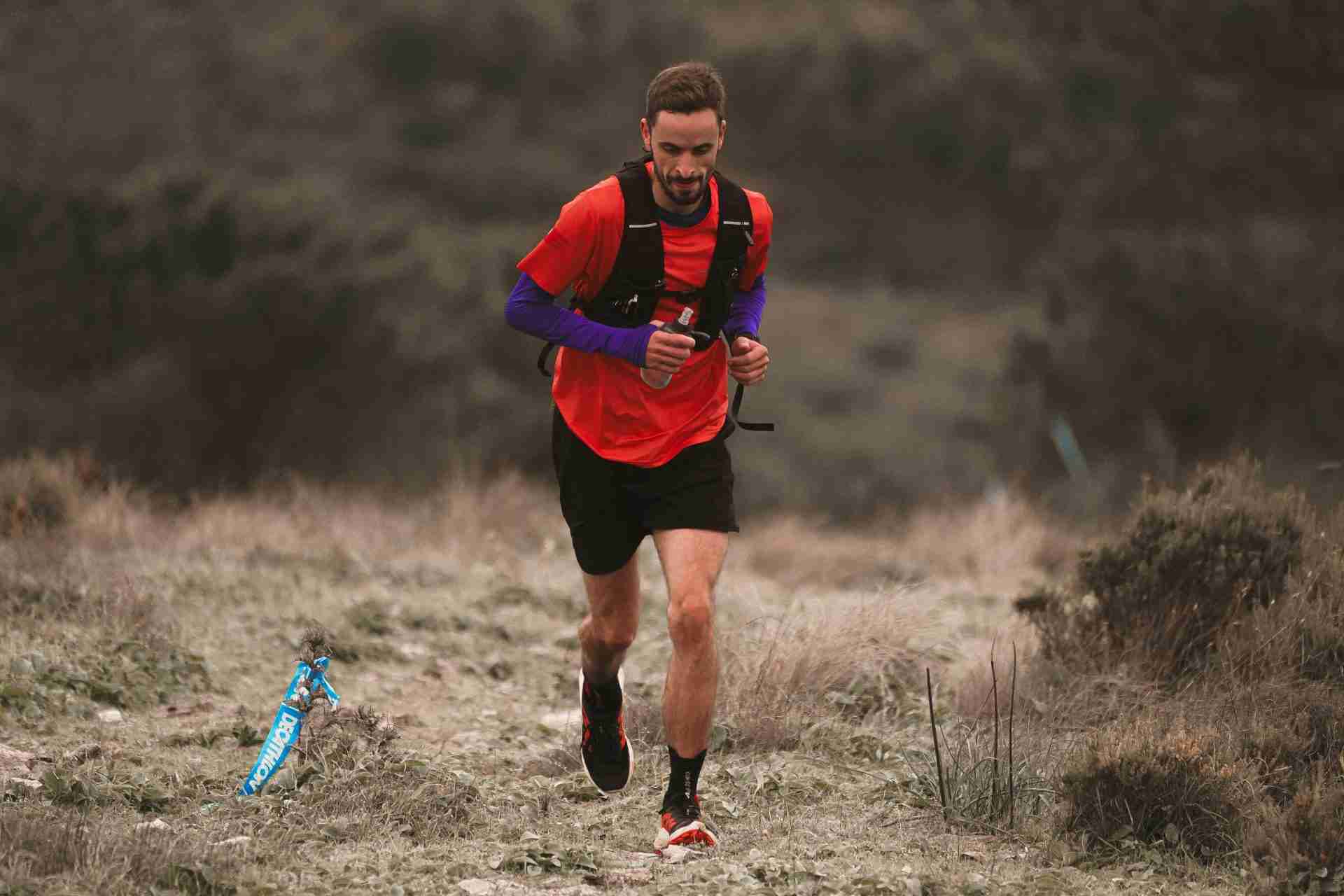
Most runners think about training first and gear second, until something starts to go wrong. A blister that changes your stride. Cold hands that make a winter run miserable. A jacket that soaks through halfway through a long run on the waterfront. The right gear will not make you faster, but the wrong gear can make running much harder than it needs to be.
Toronto runners have to deal with a lot more than most people. Summer humidity can be brutal, spring weather changes fast, the wind off Lake Ontario can cut right through you, and winter can feel especially punishing once the temperature drops. That is why one all-purpose setup is rarely enough. These are the seven pieces of running gear every Toronto runner should think about.
1. Running shoes
Everything starts with the shoes. A lot of running injuries trace back to footwear that does not match the runner’s foot shape, gait, or training load. Shin splints, Achilles pain, plantar fasciitis, and IT band issues are often tied to shoes that are doing the wrong job. As someone who does gait analysis regularly, I see this all the time , most runners have no idea how their foot actually moves until we put them on a treadmill.
What to look for in running shoes
Here is what you need to know and look for when buying shoes:
- Heel drop (or heel-to-toe offset): This is the height difference between the heel and forefoot. It usually falls between 0mm and 12mm. A higher drop (8-12mm) takes stress off your Achilles and calves. It works well for heel strikers or runners doing lots of road miles on Toronto pavement. A lower drop (4-8mm) puts your foot in a more natural position. It can increase calf and Achilles load. If you switch drops suddenly without building up, that alone can cause Achilles pain or calf strains.
- Toe box width: A cramped toe box forces your toes to overlap and rub. This leads to black toenails, neuromas, or blisters over longer distances. Your toes should have room to splay naturally at the end of each stride. This matters especially for wider feet or when your feet swell on long runs. Too narrow and you lose power off the forefoot. Too wide and your foot slides around.
- Toe box width: A cramped toe box forces your toes to overlap and rub. This leads to black toenails, neuromas, or blisters over longer distances. Your toes should have room to splay naturally at the end of each stride. This matters especially for wider feet or when your feet swell on long runs. Too narrow and you lose power off the forefoot. Too wide and your foot slides around.
- Neutral vs. stability: Neutral shoes let your foot move naturally. They work best for runners whose feet land evenly or roll slightly inward without collapsing. Stability shoes add medial support to control overpronation. That is the inward ankle roll where your arch collapses under load. If your shoes show heavy wear on the inner midsole edge, stability might be what you need. If you feel knee pain on downhills, that is another sign. When I do gait analysis, this is what I watch for, how your foot strikes and how much your ankle rolls.
Not sure what foot type you have or how your gait looks? A gait analysis session is the fastest way to find out.
When to replace running shoes
Shoes also wear out before they always look worn out. A lot of runners keep them too long because the upper still looks fine, but the midsole has already lost its support. As a general rule, most shoes need replacing somewhere around 500 to 800 kilometres. Signs it is time for a new pair include new aches or pains and less cushioning. Also watch for uneven wear on the sole or shoes that just feel flat and less supportive. Look for wear patterns that match your stride. Heavy wear in the heel or forefoot is a clear sign the shoe is losing support.
2. Running socks
Socks are one of the most overlooked pieces of running gear, but they matter more than most runners realize. A bad sock can cause blisters, hot spots, and irritation that ruins a run before you are even halfway through it.
The first rule is simple: do not run in cotton. Cotton holds moisture against your skin, which is the last thing you want on a humid Toronto summer run or a wet spring morning on the Don Valley trails. Once your feet stay damp, friction builds quickly and blisters follow.
Look for socks made from moisture-wicking synthetic fabric or merino wool, and choose a pair with a seamless toe. Thickness matters too. In winter, a wool blend keeps your feet warmer even when conditions are wet. In summer, a lighter sock usually works better because it breathes more easily.
If you want examples, Injinji toe socks are a popular choice for runners who want to reduce toe-to-toe rubbing, while Balega socks are known for comfort, cushioning, and moisture management. For some runners, those details make a real difference on longer runs.
For heavy rain or puddles, waterproof socks are worth trying. They feel odd at first, but they solve the wet-foot problem completely. Some runners also put a thin layer of Vaseline or Body Glide on their feet before putting their socks on, which can help reduce rubbing when conditions are wet. On longer runs in cold or wet weather, I often recommend a thin liner sock under a slightly thicker outer sock. The friction happens between the layers instead of against your skin, it is a simple fix that works.
3. Compression gear
Compression socks and tights get talked about a lot, but they are not magic. What they can do is improve circulation a little, reduce the feeling of fatigue on longer runs, and make recovery days more comfortable. That makes them useful, especially if you are logging weekly mileage.
What they will not do is fix bad mechanics or stop an injury that is already developing. A lot of runners expect compression to solve problems that actually come from training load, weak hips, poor shoe choice, or simply doing too much too soon. It only provides extra support, but is not a fix to any pain or injury.
For Toronto winters, compression tights with wind-blocking panels are worth considering if you run exposed routes like the waterfront. The wind off Lake Ontario can cut through regular tights fast, and that extra protection makes a real difference. Women-specific fits are also better for comfort and staying in place over longer distances.
4. The layering system for winter
This is where a lot of runners go wrong. They either overdress, start sweating too early, and end up cold later, or they underdress and spend the whole run miserable. A better rule is to dress as if it is 10 to 15 degrees warmer than the actual temperature, because once you start moving, you will warm up quickly. Ideally, you want to start cold and as you run, you will start sweating and get much warmer.
A base layer should sit close to the skin and pull sweat away from your body. Moisture-wicking synthetic fabric or merino wool works best. Same with the socks, never wear cotton base layers. If it is cold enough to need more than that, a mid layer adds insulation without too much bulk. A lightweight fleece or thermal long sleeve usually does the job.
The outer layer is your protection against wind and weather. For dry cold, a windbreaker is usually enough. For rain or wet snow, you want a waterproof jacket. A water-resistant layer can handle light moisture, but once the rain really starts, it will not keep you dry for long. On the lower half, thermal tights work well once temperatures drop below 5°C, and wind-panel tights are especially useful on exposed routes.
If you are already thinking about fall races like the Scotiabank Waterfront Marathon, here are The Best Running Events in Toronto for 2026 to start planning around.
5. Running gloves
Hands usually feel the cold first because the body reduces blood flow to the extremities to protect core temperature. Since hands have less muscle and are farther from the heart, they cool down faster than the rest of you. A light pair of running gloves is enough for milder weather, but when the temperature drops, you want something that blocks wind and holds in more heat.
If your hands run cold, mittens are a better choice than gloves because your fingers share warmth instead of being separated. On the coldest Toronto days, a thin liner glove under a mitten can work very well. That kind of setup makes a noticeable difference when the wind makes the temperature feel lower than it actually is.
In spring and fall, it helps to choose gloves you can take off and tuck into a pocket once you warm up. Toronto weather can change enough during one run that that flexibility matters.
6. Ear and face protection
Ear protection is one of those things runners forget until they do not have it. A thin headband is enough for mild cold. A full running hat makes more sense when temperatures drop. A buff or neck gaiter gives you another layer of protection for the face and neck.
Cold air can feel harsher when you are breathing hard, like during intervals, hills, or a faster tempo run. Your throat and lungs have to work harder to warm and humidify the air, so the cold feels more intense than it does on an easy jog. Covering your mouth and nose helps warm the air before it hits your lungs and makes the run more tolerable. It also keeps the wind off your face, which sounds small but matters a lot more than people expect.
This is especially useful on waterfront routes or any other open stretch where the wind has room to build. If you have ever run in Toronto winter without ear or face protection, you already know why this section matters.
7. Hydration packs and accessories
For shorter road runs, you usually do not need to carry much. Water fountains in parks or along the waterfront are often enough. Once your runs get longer or the weather gets hotter, hydration becomes much more important. Hydration and nutrition work together on long runs, here is How much to Eat on Long Runs.
A handheld bottle is fine for many summer long runs. If you are running for more than two hours, or heading into trail areas like the Don Valley or Rouge Park where water stops are limited, a hydration vest makes more sense. It keeps water close without getting in the way.
The best hydration pack is the one that fits well and does not bounce. Look for enough room for a phone, keys, and gels, but do not go so large that it becomes annoying to wear. In winter, people forget hydration because they are not as thirsty, but you are still losing fluid through sweat and breathing.
Women’s running gear
Women’s running gear is made to fit the body better and support movement without getting in the way. For running, that matters a lot, because clothes that ride up, rub, or trap sweat can make even a short run feel uncomfortable. Poorly fitting shorts, tights, or sports bras can cause chafing, rubbing, discomfort, and constant adjustment on longer runs, especially if the material traps moisture or does not breathe well. This can contribute to developing UTIs, which is a common problem I see with my female clients, see Why Do I Keep Getting UTIs on Long Runs. The right material and fit in running gear for women can make a big difference in how smooth the run feels.
Fit matters even more in winter, when you want your layers to stay put so the run can be comfortable. If something shifts or rubs, cold air can creep in and make you feel chilly fast. Good winter gear should move with you, keep you warm, and stay out of the way.
The good news is that women’s running gear has come a long way, with far more options now for supportive, breathable, and better-fitting pieces.
Building your gear
Good running gear does not have to be expensive or complicated. Start with the basics, a properly fitted shoe and a decent pair of moisture-wicking socks and add pieces as your training and the seasons demand. Most runners find that a few well-chosen items go a long way. There is no shortage of gear out there, but the best place to start is always with what you actually need right now, not everything at once.